
Paint colour plays a powerful role in our daily lives. From classrooms and homes to offices and creative spaces, colours influence mood, focus, creativity, and productivity. In education especially, paint colour is not just about decoration—it directly affects how students learn, feel, and perform.
In this in-depth blog, we explore what paint colour is, its types, psychological impact, uses in schools, homes, and offices, and how to choose the right paint colour in 2025, using a strong EEAT (Experience, Expertise, Authoritativeness, Trustworthiness) framework.

What Is Paint Colour?
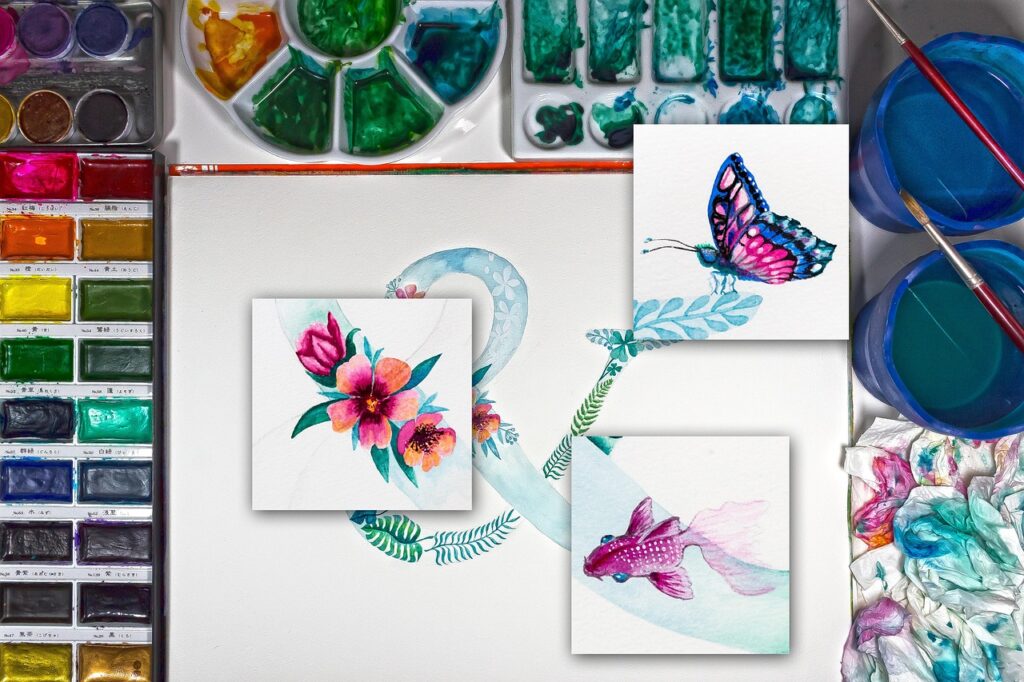
Paint colour refers to the pigmented coating applied to surfaces such as walls, paper, wood, metal, or canvas to enhance appearance, protect surfaces, and express ideas or emotions. Paint colours are created using pigments mixed with binders and solvents, resulting in different shades, finishes, and textures.
Paint colour is used for:
- Decoration
- Protection
- Communication
- Emotional expression
- Creative learning
From a child’s drawing book to a classroom wall, paint colour is deeply connected with education and creativity.

History and Evolution of Paint Colours
Paint colours have been used by humans for thousands of years. Early civilizations used natural pigments made from:
- Clay
- Plants
- Charcoal
- Minerals
Over time, paint technology evolved, leading to:
- Water-based paints
- Oil paints
- Acrylic paints
- Eco-friendly and non-toxic paints
In 2025, paint colours are safer, more vibrant, and more durable than ever before.

Types of Paint Colours
Understanding different types of paint colours helps in choosing the right one for specific purposes.
1. Water Colours
- Light and transparent
- Commonly used by children and beginners
- Easy to mix and clean
2. Poster Colours
- Bright and opaque
- Ideal for school projects and charts
- Popular in classrooms
3. Acrylic Colours
- Fast-drying and durable
- Used by students, artists, and professionals
- Suitable for paper, canvas, wood, and fabric
4. Oil Colours
- Rich texture and deep finish
- Used mainly by professional artists
- Long drying time
5. Wall Paint Colours
- Used for homes, schools, and offices
- Available in matte, glossy, satin, and textured finishes

Importance of Paint Colour in Education
Paint colour is a vital learning tool, especially for early education and creative development.
Benefits for Students:
- Improves creativity and imagination
- Enhances hand-eye coordination
- Helps in emotional expression
- Builds confidence through art
Teachers use paint colours for:
- Charts and visual aids
- Classroom decoration
- Activity-based learning

Psychology of Paint Colours
Different colours create different emotional and psychological effects.
Common Colour Meanings:
- Red – Energy, excitement, attention
- Blue – Calm, focus, trust
- Yellow – Happiness, creativity, optimism
- Green – Balance, growth, relaxation
- Orange – Enthusiasm, warmth
- White – Cleanliness, simplicity
- Black – Strength, seriousness
Because of this, schools and offices carefully choose paint colours to support learning and productivity.

Paint Colours in Schools
In modern education systems, colour selection is done thoughtfully.
Classrooms
- Light blue or green for concentration
- Yellow accents for creativity
Art Rooms
- Bright and mixed colours to inspire imagination
Libraries
- Neutral and calm colours for focus
Studies and experience show that the right paint colour can reduce stress and improve academic performance.

Paint Colours for Home Learning Spaces
With the rise of home study and online education, paint colour has become important at home too.
Best Colours for Study Rooms:
- Soft blue for focus
- Green for balance
- Beige or off-white for calmness
Avoid overly dark or extremely bright colours in study areas, as they can cause distraction.

Paint Colours in Offices and Workspaces
Paint colours directly affect employee productivity and mood.
Office Colour Choices:
- Blue for efficiency and trust
- Green for long working hours
- White for clean and professional look
- Grey for modern aesthetics
Smart offices in 2025 use colour psychology to create healthier work environments.

Eco-Friendly and Safe Paint Colours
In 2025, awareness about health and environment is high. People prefer:
- Low-VOC paints
- Non-toxic paints
- Child-safe colours
These paints are especially important for:
- Schools
- Homes with children
- Art and craft activities
Choosing safe paint colours protects both health and nature.

Paint Colour in Art and Creativity
Paint colour is the foundation of art. Artists use colour to:
- Tell stories
- Express emotions
- Create visual impact
For students, art using paint colours helps develop:
- Creativity
- Patience
- Observation skills
Art education supported by quality paint colours builds well-rounded learners.
Choosing the Right Paint Colour (Practical Guide)
Before selecting paint colour, consider:
- Purpose of the space
- Age group using it
- Lighting conditions
- Emotional impact
- Safety and durability
Quality matters more than quantity when it comes to paint colours.

EEAT: Why Paint Colour Knowledge Matters
✅ Experience
Teachers, artists, parents, and designers have seen how paint colours influence behavior and learning outcomes.
✅ Expertise
Education experts and psychologists confirm the impact of colours on focus, mood, and creativity.
✅ Authoritativeness
Schools, design institutions, and art professionals globally rely on colour theory.
✅ Trustworthiness
Scientific studies and long-term usage prove the benefits of choosing the right paint colours.

Future of Paint Colours (2025 and Beyond)
Trends shaping the future:
- Smart colour technology
- Sustainable pigments
- Customizable learning spaces
- Minimal yet meaningful colour palettes
Paint colours will continue to play a central role in education, design, and productivity.

Conclusion
Paint colour is far more than decoration. It is a powerful tool that shapes learning, creativity, emotion, and performance. From classrooms and homes to offices and art studios, the right paint colour creates positive environments and meaningful experiences.
In 2025, choosing safe, thoughtful, and purpose-driven paint colours is essential for students, educators, parents, and professionals alike. When used correctly, paint colour becomes a silent teacher—guiding focus, inspiring creativity, and supporting growth.