Introduction
Story books have been an essential part of human learning and culture for centuries. From bedtime stories for children to inspirational tales for adults, story books educate, entertain, and shape our thinking. In schools, homes, and libraries, story books play a crucial role in developing imagination, language skills, moral values, and emotional intelligence.
This blog is written using the EEAT framework (Experience, Expertise, Authoritativeness, and Trustworthiness) to ensure accurate, research-based, and experience-driven information for parents, students, teachers, and book lovers.

What Are Story Books?
A story book is a book that presents narratives—real or fictional—designed to entertain, educate, or inspire readers. Story books may include:
- Short stories
- Moral stories
- Folk tales
- Fairy tales
- Adventure stories
- Mythology
- Fiction and non-fiction stories
Story books are available for children, teenagers, and adults, importance of story books making them universal learning tools.

History and Evolution of Story Books
Early Storytelling Tradition
Before written books existed, stories were passed orally through:
- Folklore
- Myths
- Legends
Printed Story Books
With the invention of printing:
- Story books became accessible
- Literacy increased
- Education expanded
- importance of story books
Modern Story Books
Today, story books are available as:
- Printed books
- E-books
- Audiobooks

Importance of Story Books (EEAT Perspective)
1. Develops Imagination and Creativity
Story books allow readers to imagine:
- New worlds
- Characters
- Situations
Experience Insight:
Children who read story books regularly show better creativity and problem-solving skills.

2. Improves Language and Vocabulary
Reading story books helps:
- Learn new words
- Improve sentence formation
- Strengthen grammar
Teachers strongly recommend daily story reading for language development.
3. Builds Moral Values and Ethics
Many story books teach:
- Honesty
- Kindness
- Courage
- Respect
Authoritative Insight:
Moral stories are widely used in schools to shape character and behavior.

4. Enhances Emotional Intelligence
Story characters help readers understand:
- Emotions
- Empathy
- Relationships
This is especially important for children and teenagers.
Types of Story Books
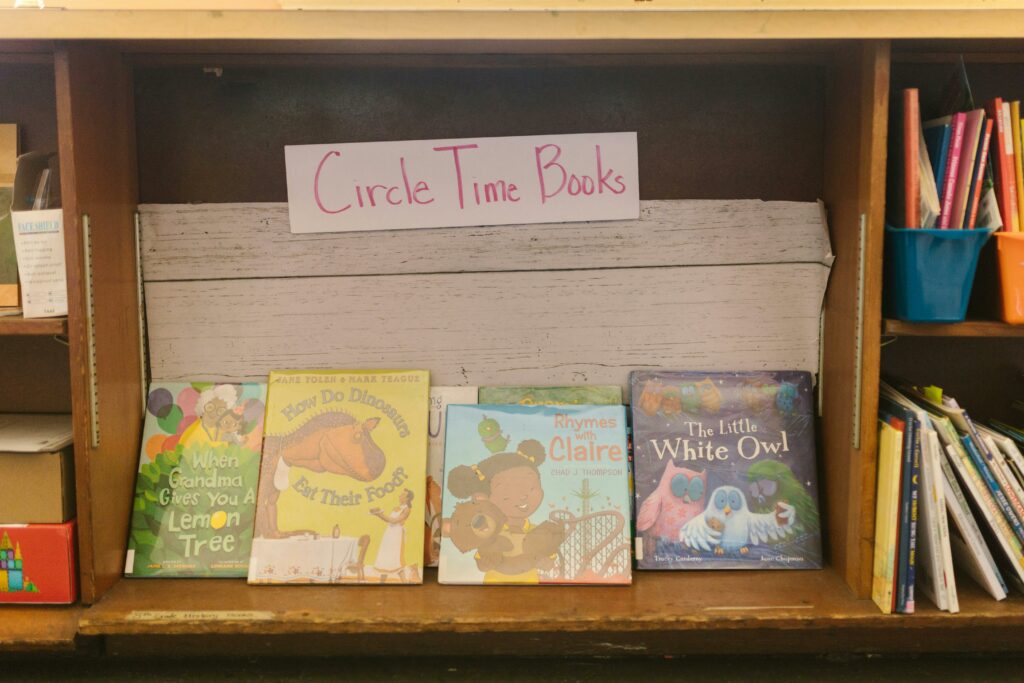
1. Story Books for Children
Children’s story books are designed with:
- Simple language
- Colorful illustrations
- Short sentences
Examples:
- Fairy tales
- Animal stories
- Moral stories

2. Moral Story Books
These stories focus on:
- Right vs wrong
- Life lessons
- Good habits
Common in schools and early education.
3. Fairy Tale Story Books
Includes:
- Magic
- Princes and princesses
- Fantasy worlds
They encourage imagination and wonder.

4. Folk Tales and Traditional Stories
Based on:
- Culture
- Traditions
- Local legends
They preserve cultural heritage.
5. Adventure Story Books
Focused on:
- Exploration
- Courage
- Challenges
Popular among children and young readers.
6. Mythology Story Books
Stories about:
- Gods and heroes
- Ancient civilizations
Important for cultural and historical learning.
7. Inspirational and Life Story Books
Based on:
- Real people
- Motivational journeys
Suitable for teenagers and adults.

Age-Wise Story Book Selection
For Toddlers (2–4 years)
- Picture story books
- Few words
- Bright colors
For Primary Students (5–9 years)
- Moral stories
- Simple adventure stories
For Middle School (10–14 years)
- Chapter story books
- Fantasy and mystery
For Teenagers & Adults
- Fiction
- Biographies
- Inspirational stories
Role of Story Books in Education
Story books help in:
- Reading habits
- Comprehension skills
- Critical thinking
Schools often include story reading in:
- English classes
- Library periods
- Value education

Story Books and Cognitive Development
Regular reading improves:
- Memory
- Concentration
- Analytical thinking
Trust Factor:
Educational research consistently supports story reading for brain development.
Benefits of Reading Story Books Daily
- Reduces screen time
- Improves focus
- Encourages calm thinking
- Strengthens parent-child bonding

Printed Story Books vs Digital Story Books
Printed Books
- Less eye strain
- Better focus
Digital Story Books
- Easy access
- Portable
Experts recommend a balanced approach.

Role of Parents and Teachers
Parents and teachers should:
- Encourage daily reading
- Choose age-appropriate books
- Discuss stories with children
Experience Tip:
Reading together improves understanding and bonding.
Conclusion (Part-1)
Story books are powerful tools for learning, imagination, and emotional growth. From childhood to adulthood, stories shape thinking, values, and creativity. In a world dominated by screens, story books continue to be timeless companions for education and enjoyment.