
Introduction
School uniforms are an essential part of the education system across the world. From government schools to private institutions, uniforms create a common identity among students and promote discipline, equality, and focus on education. Whether it is a benefits of school uniforms for students primary school uniform, secondary school uniform, or senior school uniform, clothing plays a major role in shaping student behavior, confidence, and school culture.
This blog is written using the EEAT framework (Experience, Expertise, Authoritativeness, and Trustworthiness) to ensure accurate, research-based, and practical information for parents, students, teachers, and school administrators.
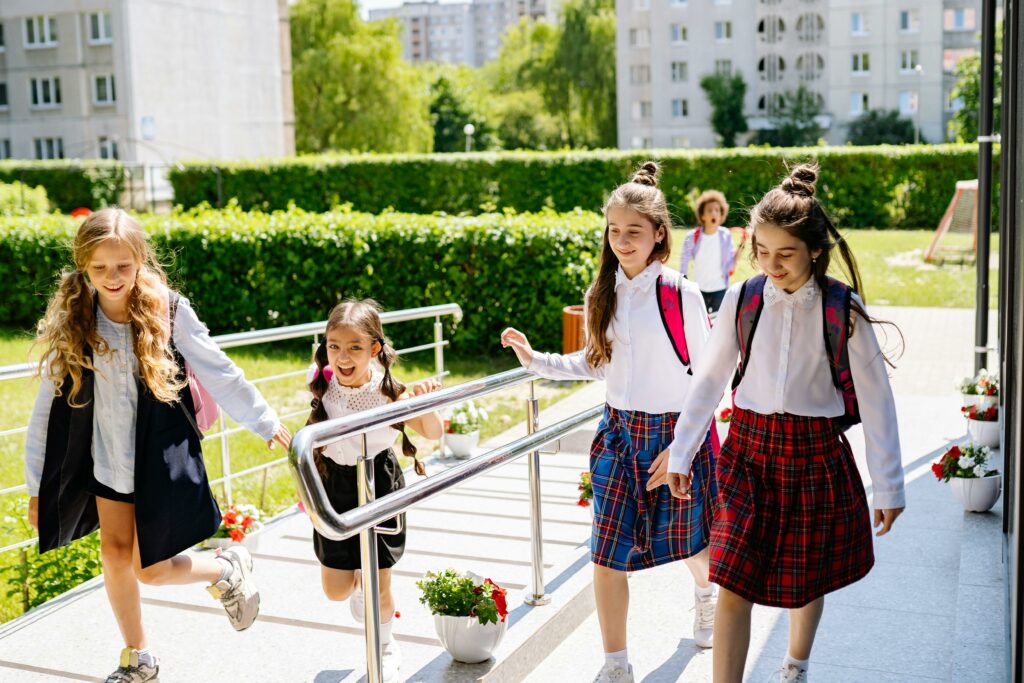
Understanding School Uniforms
A school uniform is a standardized dress code prescribed by a school that students are required to wear daily or on specific occasions. Uniforms typically include:
- Shirt / T-shirt
- Trousers / Skirt
- Tie
- Belt
- Socks
- School shoes
- Sweater or blazer (seasonal)
History and Purpose of School Uniforms
Historical Background
School uniforms were introduced to:
- Promote discipline
- Reduce class differences
- Create school identity
In India and many other countries, uniforms became common during the colonial period and later continued as a standard educational practice.
Purpose of Uniforms
- Equality among students
- Focus on studies instead of fashion
- Sense of belonging
- Easy student identification
- benefits of school uniforms for students
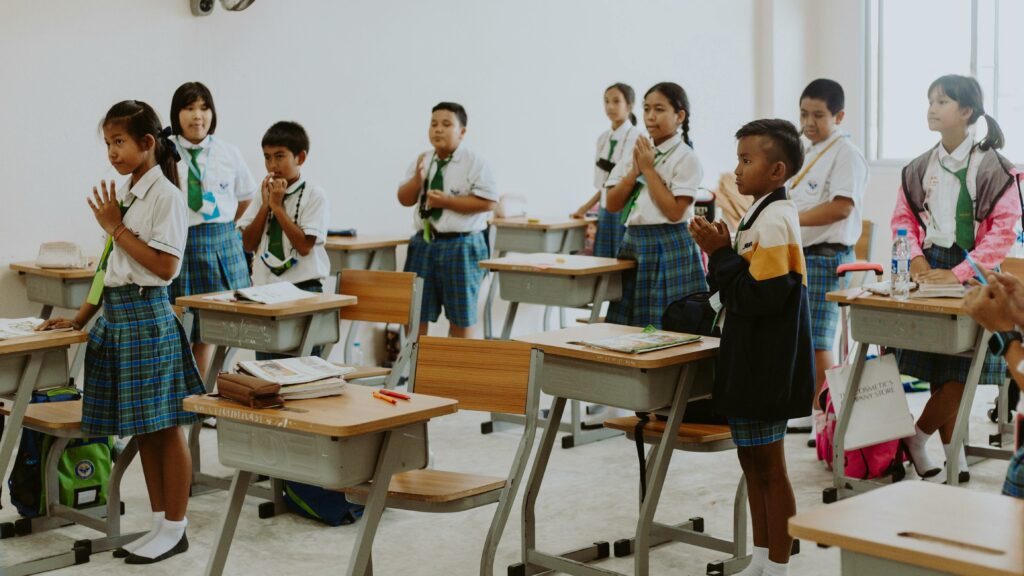
Importance of School Uniforms (EEAT Perspective)
1. Equality and Inclusiveness
Uniforms remove visible differences based on:
- Economic background
- Fashion trends
- Social status
Experience Insight:
Teachers report fewer bullying cases related to clothing in uniform-based schools.
2. Discipline and Responsibility
Wearing a uniform daily teaches:
- Punctuality
- Cleanliness
- Respect for rules
Students develop a routine that positively affects academic discipline.
3. Safety and Identification
Uniforms help:
- Identify students during school hours
- Ensure security during trips and events
- Prevent unauthorized entry
- benefits of school uniforms for students

4. Cost-Effective for Parents
Uniforms reduce:
- Pressure to buy trendy clothes
- Daily outfit decisions
- Unnecessary spending
- benefits of school uniforms for students
Expert Opinion:
Education experts agree uniforms are economical in the long term.
Types of School Uniforms
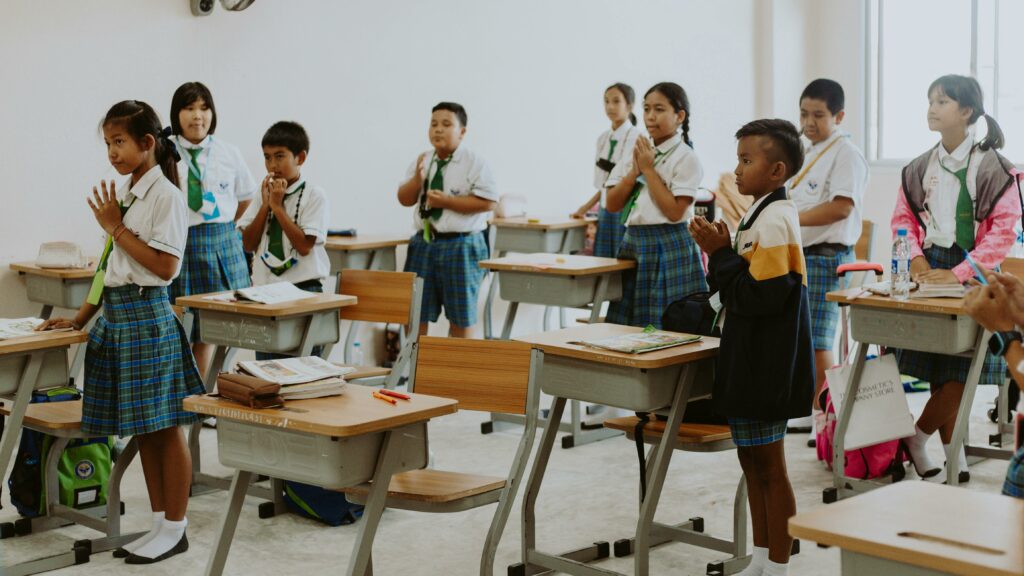
1. Primary School Uniforms
Designed for comfort and movement.
Features:
- Soft fabric
- Elastic waist trousers
- Bright or light colors
- Easy-to-wear designs
- benefits of school uniforms for students
2. Secondary School Uniforms
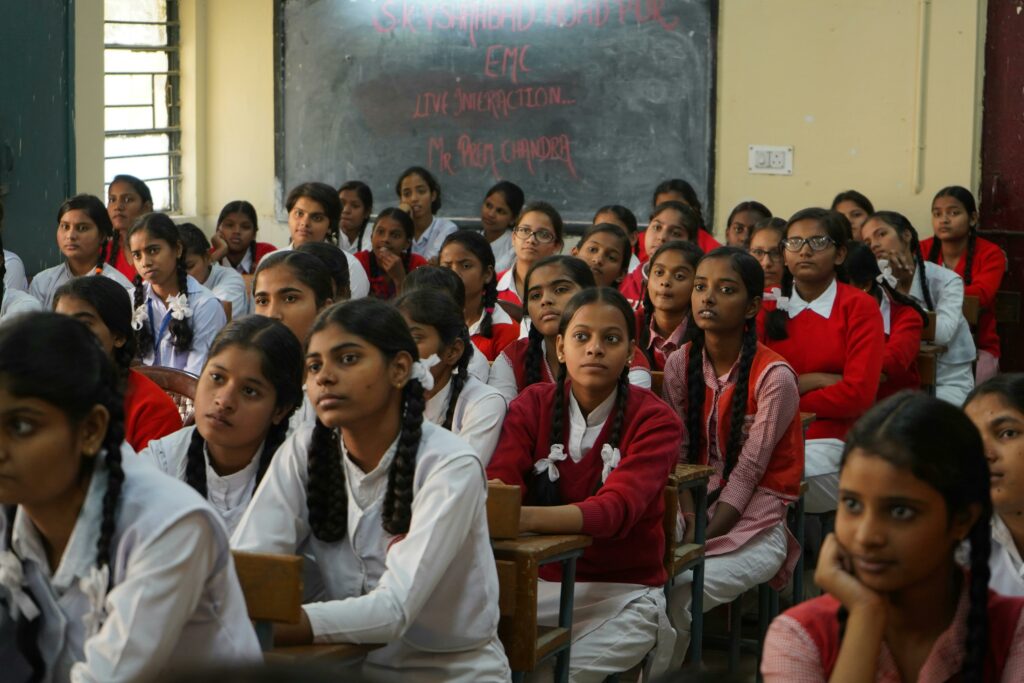
More structured and formal.
Includes:
- Shirts with collars
- Trousers or skirts
- Belts and ties
- benefits of school uniforms for students
3. Senior School Uniforms
Reflect maturity and discipline.
Common elements:
- Formal shirts
- Blazers
- Neckties
- ID cards
Seasonal School Uniforms
Summer Uniforms
- Light cotton fabric
- Short-sleeve shirts
- Breathable materials
- benefits of school uniforms for students
Winter Uniforms
- Sweaters
- Blazers
- Woolen caps (where required)
Monsoon / Sports Uniforms
- Track pants
- T-shirts
- Sports shoes
Gender-Neutral and Modern Uniform Trends
Modern schools are adopting:
- Gender-neutral uniforms
- Comfortable trousers for all
- Flexible uniform policies
Authoritative Insight:
Educational boards now encourage inclusivity and student comfort.
Fabric and Material Used in School Uniforms
Common Fabrics:
- Cotton – breathable and skin-friendly
- Polyester-cotton blend – durable and easy to wash
- Wool – winter wear
Trust Factor:
Skin-safe, non-irritating fabrics are recommended for children.
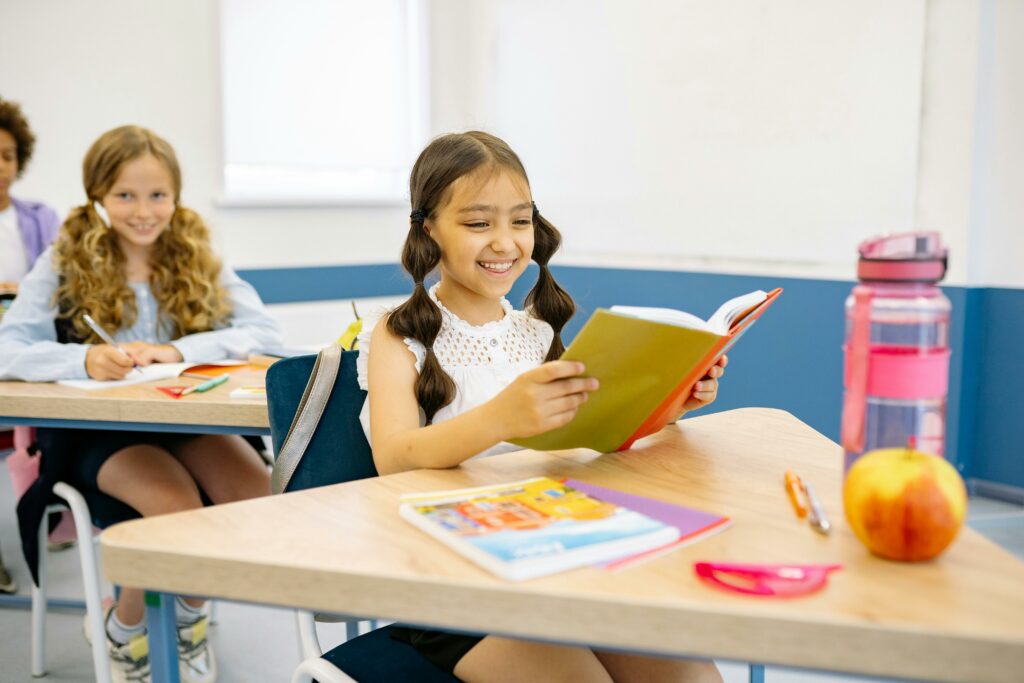
School Uniform Accessories
- School tie
- Belt
- Socks
- Badge
- ID card
These accessories complete the uniform and enhance school identity.
Role of School Uniforms in Student Psychology
Builds Confidence
Students feel:
- Equal
- Accepted
- Less judged
Encourages Focus
Uniforms reduce distractions related to clothing choices.
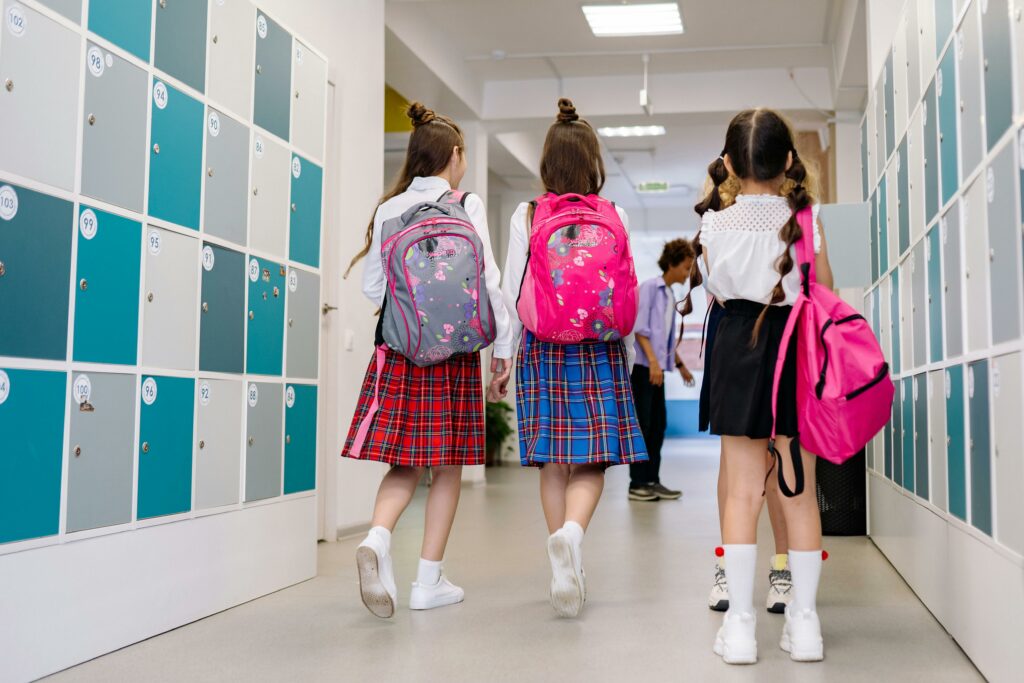
Role of Parents in School Uniform Selection
Parents should ensure:
- Correct size
- Comfortable fit
- Quality stitching
- Easy maintenance
Experience Tip:
Buying one extra set helps during emergencies.
School Uniform Maintenance Tips
- Wash regularly
- Iron properly
- Store neatly
- Label uniforms with name
Good maintenance increases uniform lifespan.
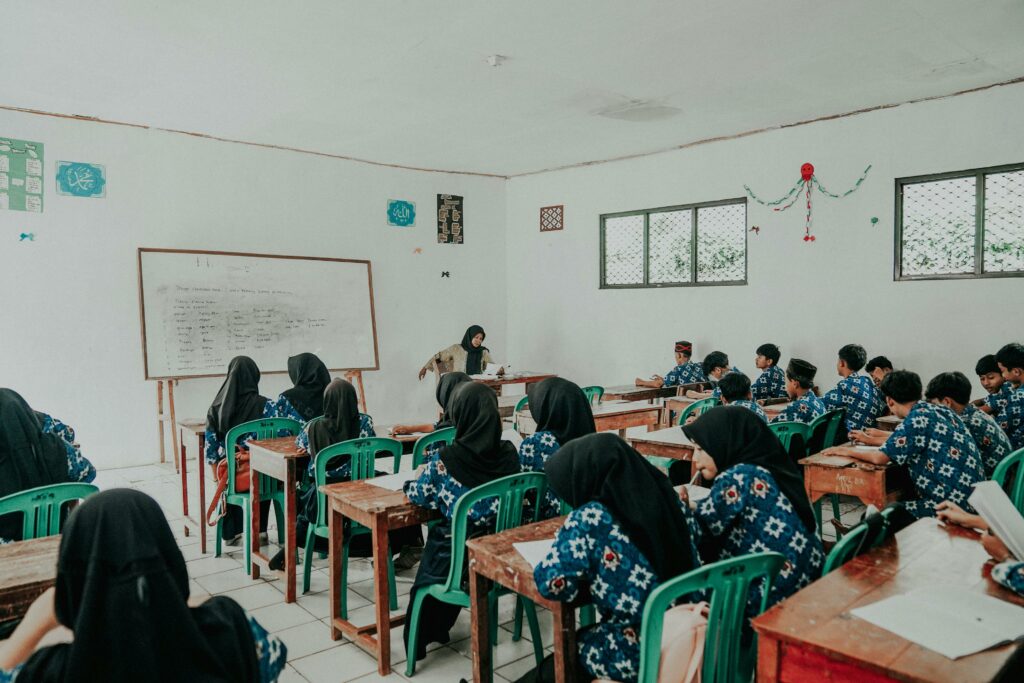
Environmental Impact of School Uniforms
- Reusable uniforms reduce waste
- Long-lasting fabrics support sustainability
- Uniform exchanges promote reuse
School Uniforms and Discipline: Research Insight
Studies show:
- Improved attendance
- Better classroom behavior
- Stronger school identity

Common Concerns About School Uniforms
Lack of Individuality?
Schools encourage expression through:
- Activities
- Projects
- Sports
Uniforms don’t suppress creativity; they balance it.
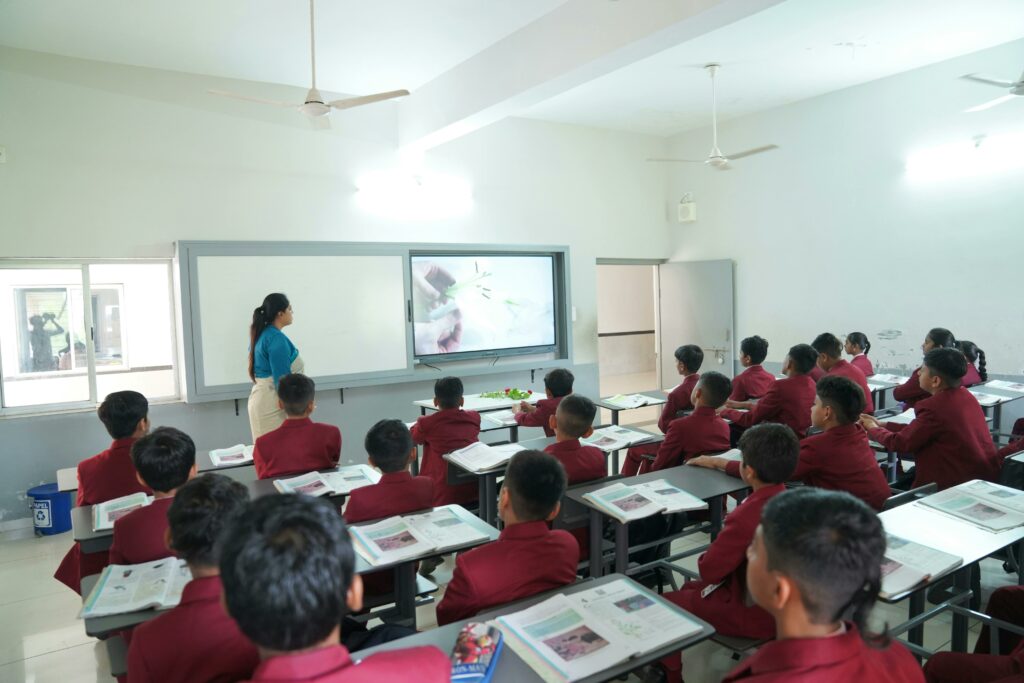
School Uniforms in Government vs Private Schools
Government Schools
- Simple designs
- Affordable fabric
Private Schools
- Branded uniforms
- Formal appearance
Both aim for discipline and equality.
Future of School Uniforms
Emerging trends:
- Sustainable fabrics
- Climate-friendly designs
- Inclusive styles
Conclusion
School uniforms for all schools play a vital role in shaping students academically, socially, and psychologically. They promote equality, discipline, safety, and school pride while reducing financial burden on families. When designed thoughtfully, uniforms support comfort, inclusivity, and long-term sustainability.