
Introduction
Pencil colours are one of the most important and widely used stationery items for children, students, artists, and hobbyists. From early childhood drawing to advanced artistic sketching, pencil colours play a vital role in creative expression, learning, and skill develophttp://GOOGLE.COMment. Unlike paints or markers, pencil colours offer control, precision, and cleanliness, making them ideal for school and home use.
This blog is written using the EEAT framework (Experience, Expertise, Authoritativeness, and Trustworthiness) to provide reliable, experience-based, and expert-approved information about pencil colours for parents, teachers, students, and artists.
What Are Pencil Colours?
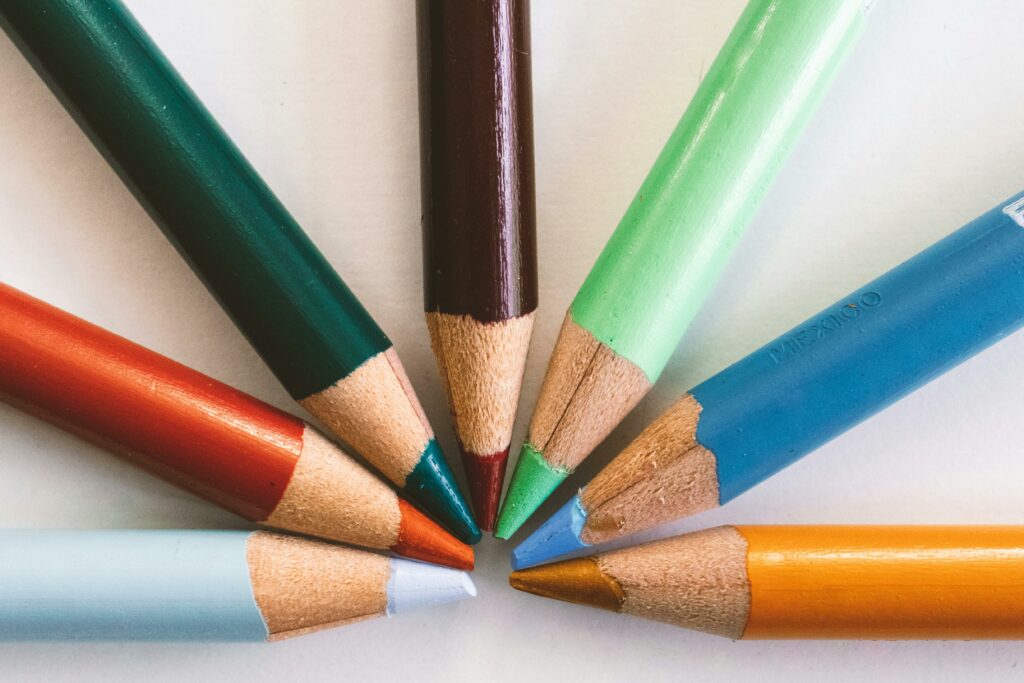
Pencil colours, also known as colored pencils, are drawing tools made of pigmented cores encased in wooden or synthetic bodies. They are used for:

- Coloring
- Drawing
- Shading
- Sketching
- Artistic detailing
Pencil colours are popular because they are easy to use, safe for children, and versatile.
History and Evolution of Pencil Colours
Early Development
- Traditional graphite pencils came first
- Artists later experimented with pigments
Introduction of Colored Pencils
- Colored cores replaced graphite
- Became popular in education and art
Modern Pencil Colours
- Wax-based
- Oil-based
- Watercolor pencil colours
- Eco-friendly pencils
Importance of Pencil Colours (EEAT Perspective)
1. Encourages Creativity and Imagination
Pencil colours help children:
- Express ideas visually
- Explore color combinations
- Develop imagination
Experience Insight:
Teachers observe higher engagement when children use pencil colours in class activities.
2. Improves Motor Skills and Coordination
Using pencil colours strengthens:
- Hand grip
- Finger control
- Hand-eye coordination
This is especially important for early learners.
3. Supports Emotional Expression
Children express feelings through:
- Colors
- Shapes
- Patterns
Art using pencil colours is often recommended for emotional development.
4. Enhances Academic Learning
Pencil colours help in:
- Diagram coloring
- Map work
- Charts and projects
Authoritative Insight:
Educational experts recommend pencil colours for visual learning techniques.
Types of Pencil Colours
1. Wax-Based Pencil Colours
Most common type.
Features:
- Smooth coloring
- Easy blending
- Ideal for beginners
2. Oil-Based Pencil Colours
Used by artists.
Features:
- Harder core
- Fine detailing
- Less breakage
3. Watercolor Pencil Colours
Can be used dry or with water.
Features:
- Dual use
- Artistic effects
- Advanced creativity
4. Jumbo Pencil Colours
Designed for young children.
Features:
- Thick body
- Easy grip
- Less breakage
Pencil Colours for Children
Benefits for Kids:
- Safe and non-toxic
- Easy to control
- Encourages learning through play
Recommended For:
- Preschool
- Kindergarten
- Primary school
Experience Tip:
Jumbo and triangular pencil colours are best for small hands.
Pencil Colours for School Students
School students use pencil colours for:
- Art classes
- Project work
- Charts and diagrams
Ideal Features:
- Bright pigments
- Strong core
- Easy sharpening
Pencil Colours for Artists
Professional artists prefer:
- High pigment quality
- Color blending ability
- Lightfastness
Used in:
- Sketching
- Portraits
- Landscape art
Difference Between Pencil Colours and Other Coloring Tools
| Feature | Pencil Colours | Crayons | Sketch Pens |
|---|---|---|---|
| Control | High | Medium | Low |
| Mess | Very Low | Medium | High |
| Detailing | Excellent | Limited | Good |
| Safety | High | High | Medium |
Benefits of Using Pencil Colours
- Clean and mess-free
- Portable and lightweight
- Long-lasting
- Suitable for all ages
Role of Pencil Colours in Education
Pencil colours are widely used in:
- Schools
- Activity books
- Competitive exams (diagrams)
They improve:
- Visual memory
- Concept understanding
Pencil Colours and Child Psychology
Coloring helps:
- Reduce stress
- Improve focus
- Enhance patience
Trust Factor:
Child psychologists recommend coloring as a calming activity.
Safety and Quality Standards
Good pencil colours should be:
- Non-toxic
- Break-resistant
- Smooth-writing
Parents should always check safety labels.
How to Choose the Right Pencil Colours
Consider:
- Age of user
- Purpose (school or art)
- Number of shades
- Grip comfort
Maintenance and Storage Tips
- Store in a box
- Avoid dropping
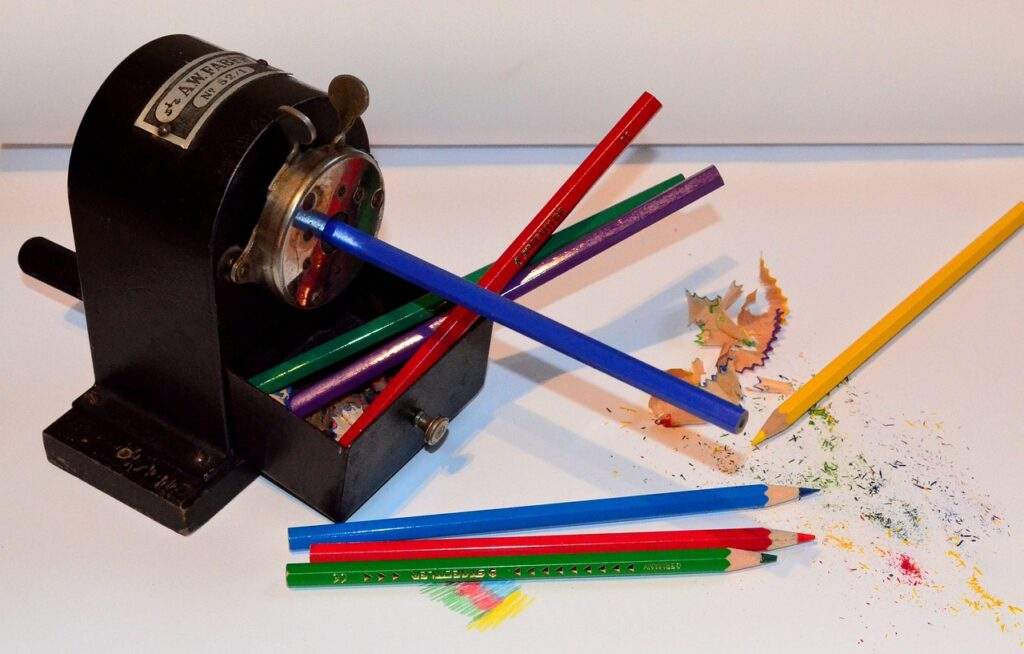
- Sharpen gently
Proper care increases lifespan.
Environmental Impact of Pencil Colours
Eco-friendly pencil colours:
- Use sustainable wood
- Reduce plastic use
Encourages green habits among children.
Common Mistakes While Using Pencil Colours
- Applying too much pressure
- Using poor sharpeners
- Mixing low-quality brands
Conclusion
Pencil colours are powerful tools for creativity, learning, and emotional expression. From children’s first drawings to professional artwork, pencil colours support skill development at every stage. Choosing the right pencil colours ensures safety, comfort, and better artistic results.