
School life is not only about books, uniforms, school students shoes and stationery; school shoes play an equally important role in a student’s daily routine. From morning assemblies to long classroom hours, playground activities, and walking to and from school, shoes directly affect a child’s comfort, posture, confidence, and health.
Choosing the right school students’ shoes is essential for parents, schools, and guardians. Poor-quality or ill-fitting shoes can cause foot pain, posture problems, and long-term orthopedic issues. This detailed guide explains everything you need to know about school shoes—types, materials, benefits, selection tips, care, and why quality matters.
This article is written following EEAT (Experience, Expertise, Authority, Trust) principles to help parents make informed, safe, and confident decisions.
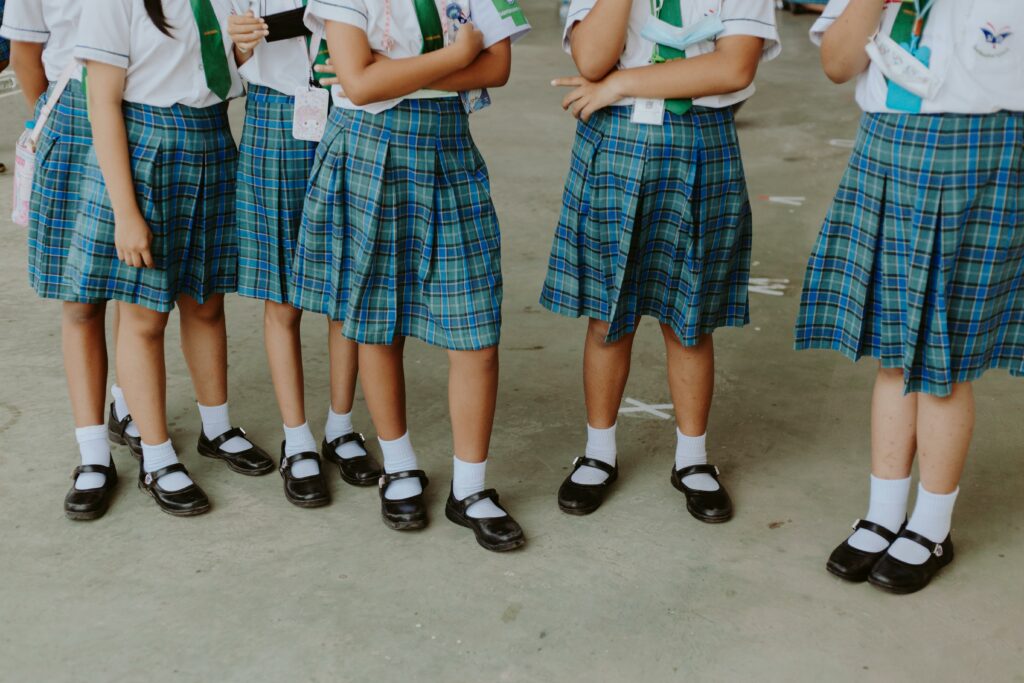
Why School Shoes Are Important for Students
School students spend 6–8 hours daily wearing shoes. During this time, children walk, stand, school students shoes run, and sometimes participate in sports or physical activities. Good school shoes:
- Support growing feet
- Reduce fatigue and discomfort
- Improve posture and balance
- Prevent injuries and foot problems
- Build confidence and discipline
A child wearing comfortable shoes can focus better on studies school students shoes and participate actively in school activities.
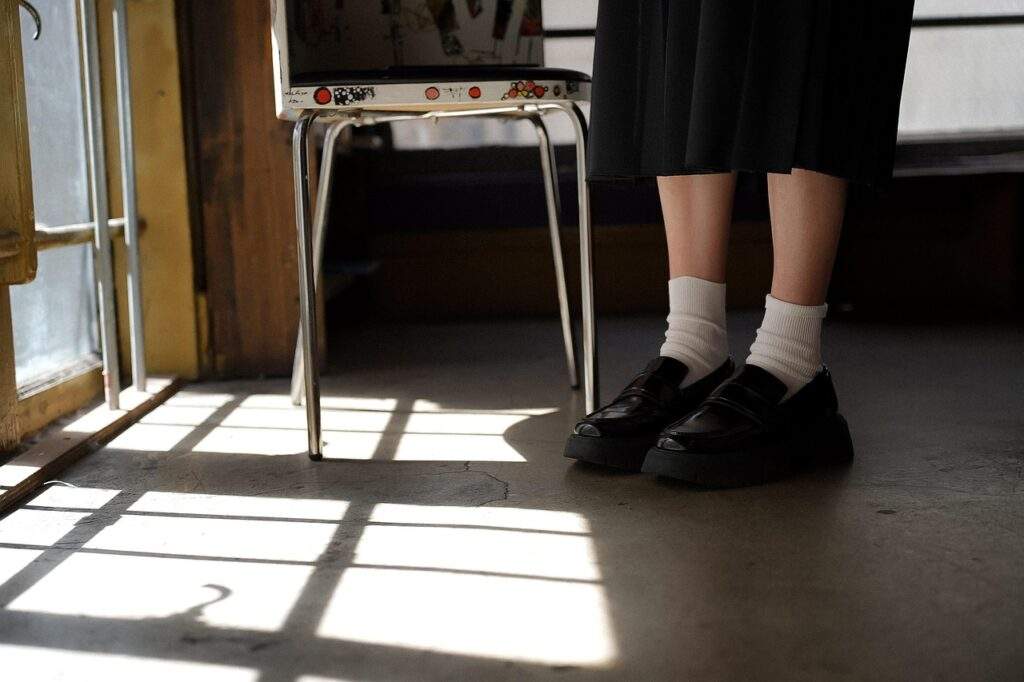
Understanding Growing Feet of School Students
Children’s feet grow faster than adults’. On average:
- A child’s foot can school students shoes grow 1–2 sizes per year
- Improper shoes can restrict natural growth
- Tight shoes may cause blisters, corns, or toe deformities
That’s why experts recommend regular shoe size checks every 6 months for school students.
Types of School Students Shoes
1. Black School Shoes
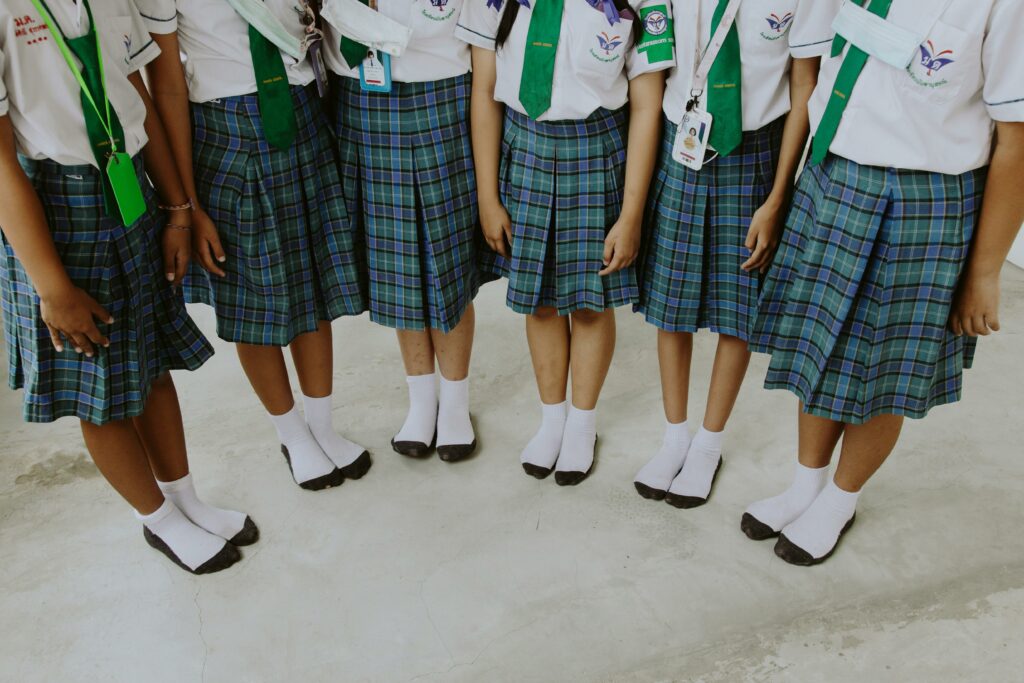
Most schools in India require black formal shoes as part of the uniform.
Features:
- Closed-toe design
- Polished leather or synthetic finish
- Lace-up or Velcro style
Best for:
Daily school wear, assemblies, classroom use
2. Velcro School Shoes
Velcro shoes are popular among primary and pre-primary students.
Advantages:
- Easy to wear and remove
- Encourages independence
- Time-saving for young children
Best for:
Nursery, kindergarten, primary school students
3. Lace-Up School Shoes
Traditional and formal, lace-up shoes are preferred for senior students.
Advantages:
- Adjustable fitting
- Better grip and stability
- Long-lasting design
Best for:
Middle school and high school students
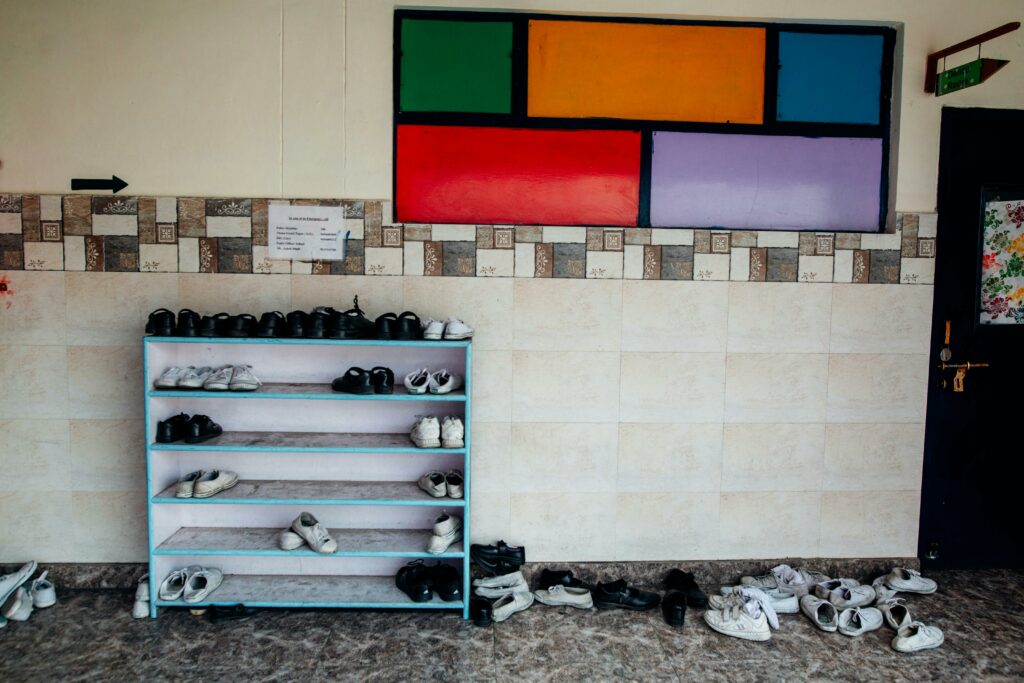
4. Sports Shoes for School
Some schools allow sports shoes on PT days or sports periods.
Features:
- Lightweight
- Flexible sole
- Breathable fabric
Best for:
Physical education, sports activities, school games
5. White School Shoes
Used mainly in:
- Sports uniforms
- Special school programs
- Private or international schools
Materials Used in School Shoes
1. Leather Shoes
- Durable and strong
- Breathable natural material
- Long-lasting with proper care
2. Synthetic Shoes
- Affordable
- Easy to clean
- Water-resistant options available
3. Rubber Soles
- Anti-slip grip
- Shock absorption
- Ideal for active students
Key Features of Good School Students Shoes
✔ Comfort
Soft inner lining, cushioned sole, and correct fitting are essential.
✔ Proper Fit
There should be:
- Thumb-width space at the front
- Snug fit around the heel
- No tight pressure on toes
✔ Breathability
Shoes should allow airflow to prevent:
- Sweat
- Bad odor
- Fungal infections
✔ Strong Sole
A flexible yet sturdy sole supports walking and running without strain.
✔ Lightweight Design
Heavy shoes cause tiredness and leg pain.

How to Choose the Right School Shoes for Students
1. Measure Feet Correctly
- Measure both feet
- Choose the larger foot size
- Buy shoes in the evening (feet expand slightly)
2. Follow School Guidelines
Check:
- Color (usually black or white)
- Shoe style (lace or Velcro)
3. Prioritize Quality Over Price
Cheap shoes may save money initially but cost more due to:
- Frequent replacement
- Health issues
4. Consider the Student’s Age
- Younger kids: Velcro, soft sole
- Older students: Lace-up, structured support
Benefits of Wearing Proper School Shoes
- Healthy foot development
- Reduced risk of injury
- Better walking posture
- Increased confidence
- Improved school performance
Common Problems Caused by Poor School Shoes
- Foot pain
- Blisters and sores
- Flat feet issues
- Knee and back pain
- Poor posture
These issues can affect a child’s long-term physical health, making proper shoe selection extremely important.
Care and Maintenance of School Shoes
Daily Care
- Wipe dust after school
- Allow shoes to air dry
Weekly Care
- Polish leather shoes
- Wash socks regularly
Storage Tips
- Keep shoes in a dry place
- Avoid damp areas
Proper care extends the life of school shoes and maintains hygiene.
School Shoes and Discipline
Uniform shoes promote:
- Equality among students
- Discipline and unity
- Professional school appearance
That’s why most schools strictly follow school shoe rules.
Expert Advice for Parents (EEAT – Expertise)
Foot health experts recommend:
- Replacing school shoes every 8–12 months
- Avoiding hand-me-down shoes
- Checking inner sole wear regularly
Children’s feet deserve special care during growth years.
Trust & Safety for Parents (EEAT – Trust)
Parents should look for:
- Non-toxic materials
- Anti-slip soles
- Certified school shoe brands
Buying from reliable stationery and school-need stores like Padhaaku ensures quality and trust.
Why Buy School Students Shoes from Padhaaku
Padhaaku focuses on:
- Student comfort
- Durable school essentials
- Trusted quality products
- Affordable pricing
From stationery to school accessories, Padhaaku supports smart learning and healthy growth.
Conclusion
School students’ shoes are more than just part of a uniform—they are a foundation for a child’s daily comfort, safety, and development. Investing in the right pair of school shoes helps children walk confidently toward success, both academically and physically.
Parents, teachers, and schools must work together to ensure that every student wears shoes that support healthy feet and a healthy future.