In every student’s academic journey, the assignment file plays a crucial role. From primary school to college and even professional courses, assignment files help students organize their written work, present knowledge clearly, and develop discipline and responsibility. While it may look like a simple stationery item, an assignment file is an essential academic tool that supports learning, evaluation, and skill development.
This in-depth guide explains everything about assignment files—their importance, types, materials, usage, benefits, buying tips, and why they are necessary for students in today’s education system. The article follows EEAT (Experience, Expertise, Authority, Trust) principles to provide reliable and practical information.


What Is an Assignment File?
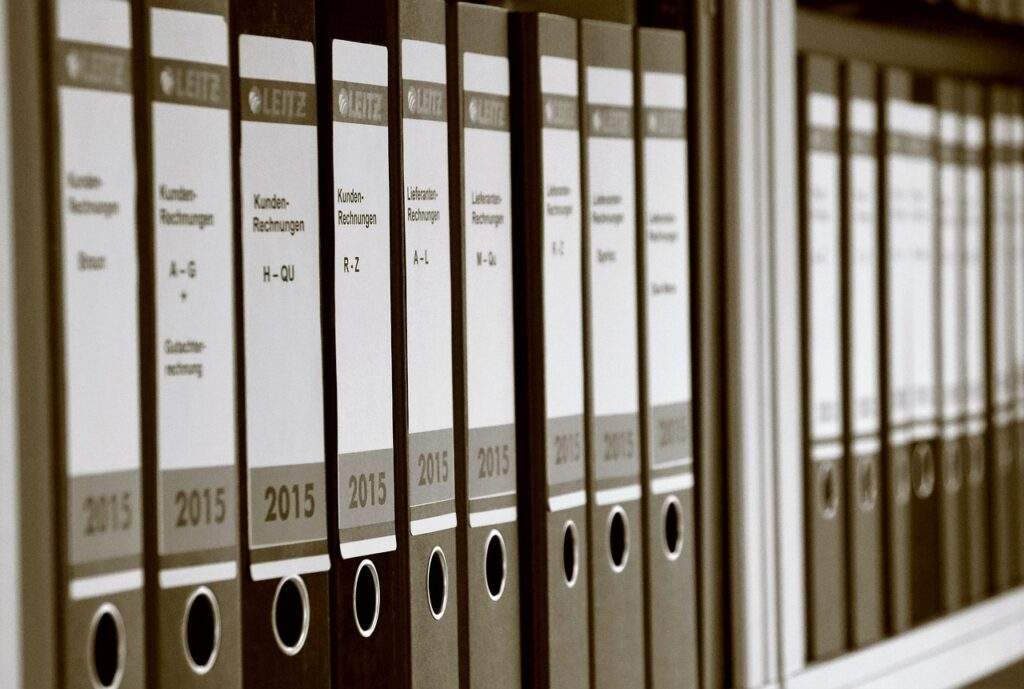
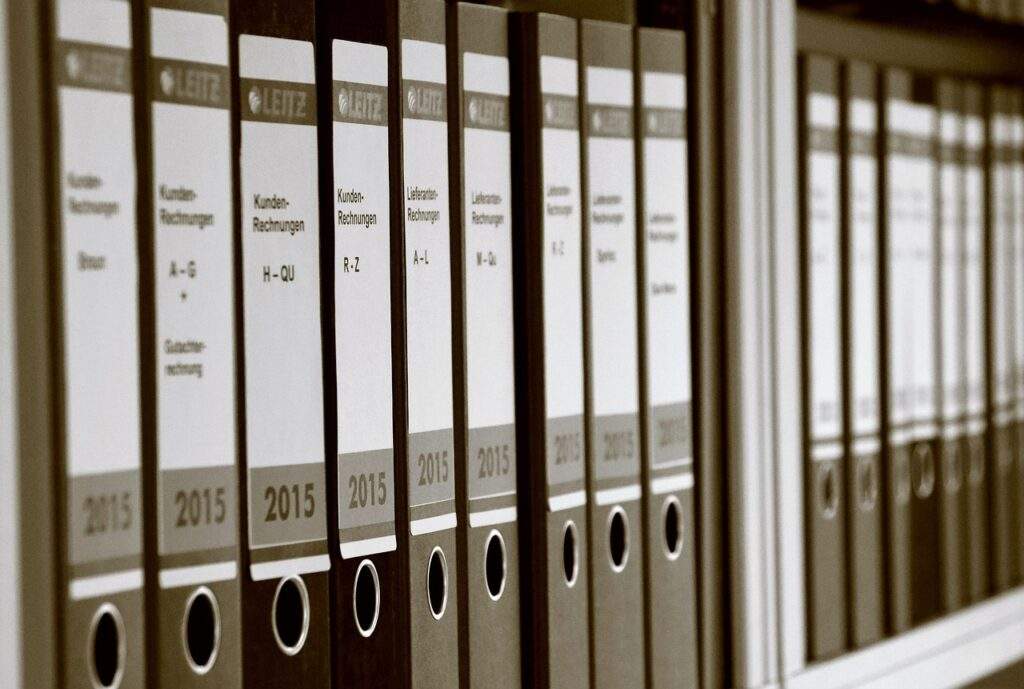
An assignment file is a stationery product used by students to compile, organize, and submit written assignments, projects, notes, and practical work. It usually consists of:
- A strong outer cover
- Inner pages or transparent sleeves
- A clip, tag, or lace system to hold papers
Assignment files are widely used in schools, colleges, coaching institutes, and universities.

Why Assignment Files Are Important for Students
Assignment files are not just about submitting homework. They help students develop essential academic and life skills.
1. Organized Learning
An assignment file keeps all related work in one place, helping students:
- Avoid losing pages
- Maintain sequence
- Revise easily
2. Better Presentation
Neatly arranged assignments create a positive impression on teachers and examiners, which can influence evaluation.
3. Academic Discipline
Regular use of assignment files teaches:
- Time management
- Responsibility
- Clean and structured work habits
Role of Assignment Files in the Education System
Teachers often assess students not only on answers but also on:
- Handwriting
- Neatness
- Arrangement
- Completeness
Assignment files help teachers track:
- Student progress
- Understanding of topics
- Consistency in learning
This makes assignment files an important evaluation tool.

Types of Assignment Files
1. Clip Assignment Files
These files use a metal or plastic clip to hold papers.
Best for:
- Daily homework
- Short assignments
Benefits:
- Easy to use
- Quick paper insertion

2. Lace / Tag Assignment Files
These files use thread, lace, or tag to bind papers.
Best for:
- Long projects
- Practical files
Benefits:
- Strong binding
- Pages remain secure

3. Transparent Sleeve Files
Contain multiple transparent pockets.
Best for:
- Project work
- Certificates and charts
Benefits:
- Protection from damage
- Clean appearance
4. Hardcover Assignment Files
Made with thick board or hard plastic.
Best for:
- College students
- Long-term use
Benefits:
- High durability
- Professional look

Materials Used in Assignment Files
1. Plastic Assignment Files
- Lightweight
- Water-resistant
- Easy to clean
2. Cardboard / Paper Board Files
- Eco-friendly
- Affordable
- Common in schools
3. Leatherette / Premium Files
- Stylish appearance
- Used in colleges and offices

Assignment Files for Different Education Levels
Primary School Students
- Simple lace files
- Lightweight plastic covers
- Bright colors for easy identification
Middle & High School Students
- Standard assignment files
- Subject-wise files
- Label space for name and class
College Students
- Hardcover or sleeve files
- Project-specific files
- Professional design

How to Use an Assignment File Properly
- Write name, class, subject on the cover
- Arrange pages in correct order
- Avoid folding or tearing pages
- Use separators for different topics
- Keep the file clean and dry
Proper usage increases the life of the assignment file and improves presentation.
Benefits of Using Assignment Files
For Students
- Better organization
- Improved writing habits
- Confidence during submission
For Teachers
- Easy checking
- Systematic evaluation
- Reduced confusion
For Parents
- Clear view of child’s academic progress
- Encourages discipline at home
Common Mistakes Students Make with Assignment Files
- Loose or missing pages
- Untidy handwriting
- Incorrect sequence
- Using damaged or torn files
Avoiding these mistakes improves overall academic performance.

Assignment Files and Skill Development
Using assignment files regularly helps students develop:
- Writing skills
- Logical thinking
- Presentation skills
- Responsibility and accountability
These skills are useful beyond academics, including in career and professional life.
Expert Guidance (EEAT – Expertise)
Educators recommend:
- Maintaining one assignment file per subject
- Updating files regularly
- Submitting clean and complete work
Educational experts believe structured assignment submission builds academic confidence.

Trust and Quality (EEAT – Trust)
When buying assignment files, parents and students should look for:
- Strong material
- Smooth clips or laces
- Non-toxic plastic
- Reliable stationery brands
Buying from trusted stores like Padhaaku ensures quality and long-term use.
Why Assignment Files Are Essential in Modern Education
With increasing focus on:
- Project-based learning
- Continuous assessment
- Practical knowledge
Assignment files remain a core educational requirement even in the digital age.
Why Choose Assignment Files from Padhaaku
Padhaaku understands student needs and offers:
- Durable assignment files
- Student-friendly designs
- Affordable prices
- Reliable quality
From notebooks to files, Padhaaku supports organized and effective learning.
Care and Maintenance Tips
- Keep files away from water
- Store flat in school bags
- Replace damaged clips or tags
- Clean plastic covers regularly
Good care extends the file’s usability throughout the academic year.
Assignment Files and Academic Success
Students who maintain proper assignment files:
- Score better in internal assessments
- Build a positive image with teachers
- Stay organized and stress-free
Small habits like file maintenance create big academic impact.

Conclusion
An assignment file is much more than a stationery item—it is a foundation for organized learning, academic discipline, and personal growth. From school homework to college projects, assignment files help students present their knowledge clearly and confidently.
Parents, teachers, and students should treat assignment files as an essential part of education, not an optional accessory. Choosing the right assignment file and using it properly supports academic success and lifelong learning skills.