Education is not only about books, exams, and certificates. True education is about relating learning to students’ real lives and helping them grow academically, emotionally, socially, and professionally. When education connects with students’ needs, interests, and daily challenges, it becomes meaningful and powerful. In this vlog, we explore how education helps students in all areas of life, using an EEAT-based approach.
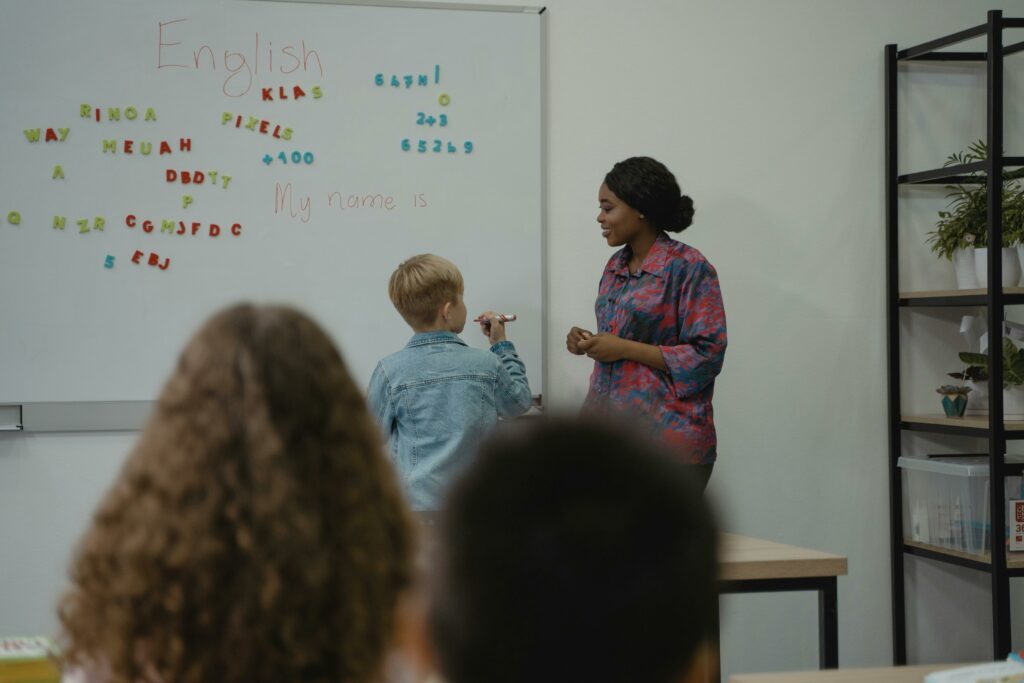
Understanding Education Beyond the Classroom
Modern education goes beyond classrooms and textbooks. It focuses on helping students:
- Understand the world around them
- Develop critical thinking
- Build confidence and discipline
- Prepare for real-life situations
- school and college student support
Education that relates to students’ lives makes learning easier, more engaging, and more effective.
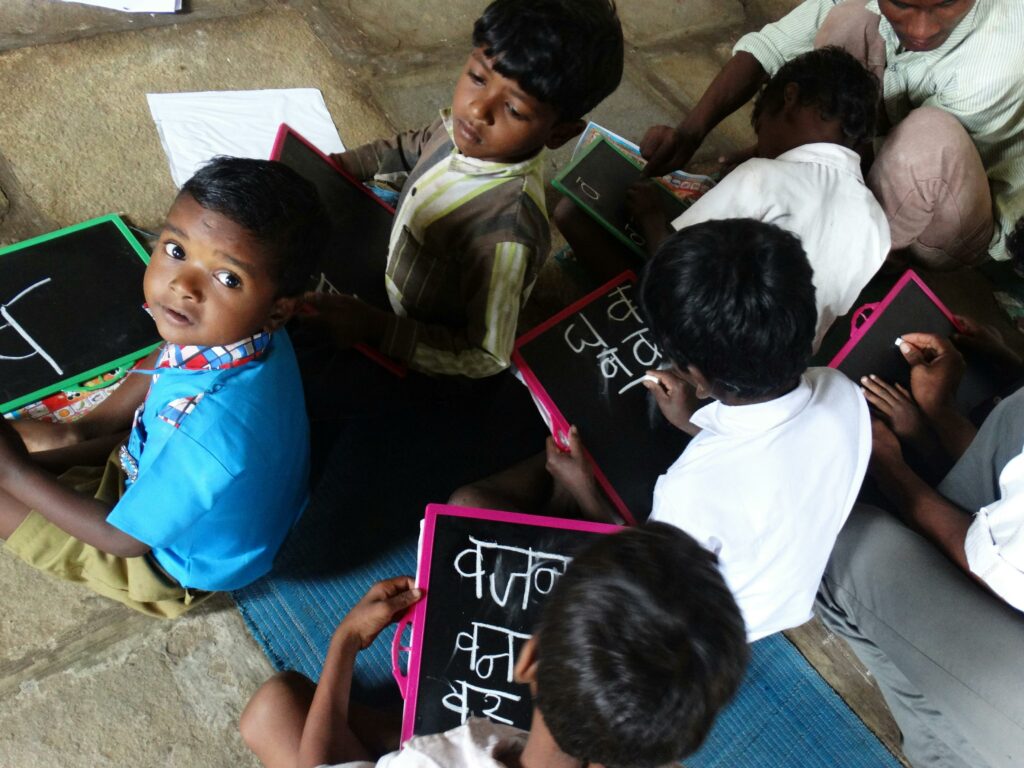
Academic Support: Building Strong Knowledge Foundations
The primary role of education is to provide academic knowledge. Subjects like mathematics, science, languages, and social studies help students develop logical thinking, communication skills, and problem-solving abilities.
When teaching methods relate lessons to real-world examples, students understand concepts better and retain information longer. Education helps students:
- Improve reading and writing skills
- Strengthen analytical thinking
- Perform better in exams
- Develop curiosity and interest in learning
- school and college student support
Academic education lays the foundation for future studies and careers.
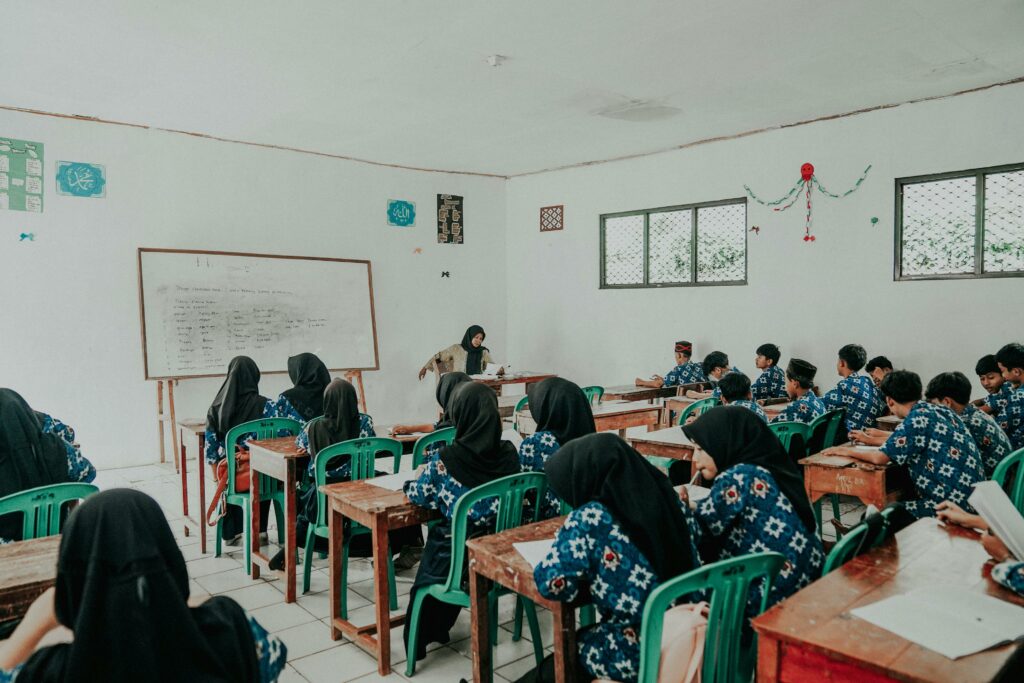
Personal Development and Confidence Building
Education plays a major role in shaping a student’s personality. It helps students discover their strengths, improve weaknesses, and build self-confidence.
Through education, students learn:
- Discipline and time management
- Responsibility and independence
- Decision-making skills
- Self-respect and confidence
- school and college student support
When students feel supported and understood, they are more motivated to learn and grow.
Emotional and Social Growth
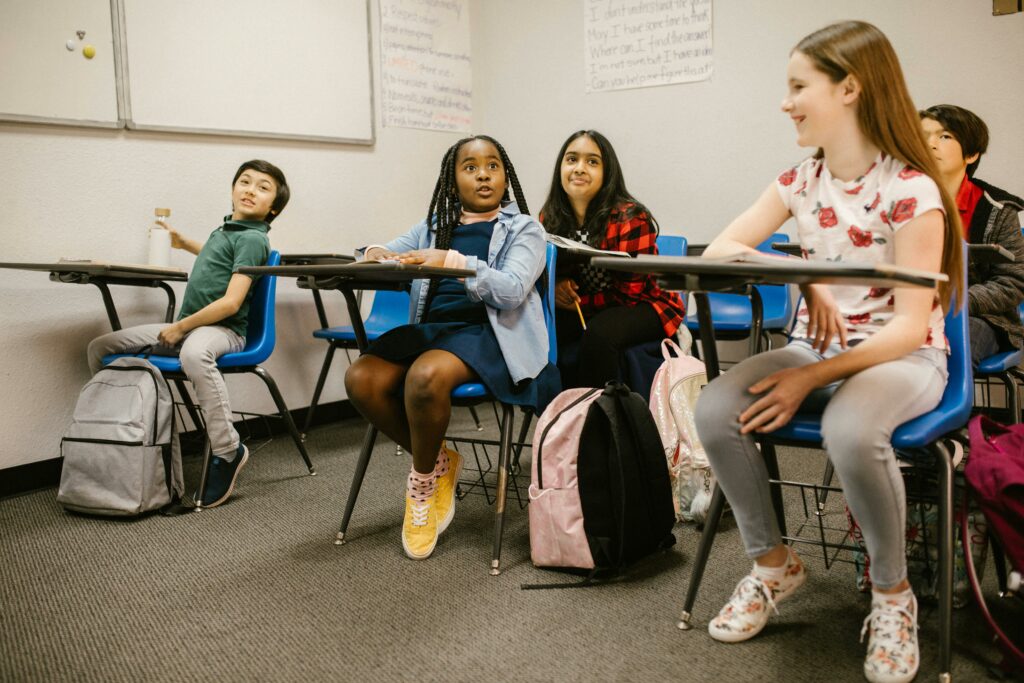
Education also helps students understand emotions and relationships. Schools and learning environments teach students how to:
- Work in teams
- Respect others’ opinions
- Manage stress and failure
- Communicate effectively
- best education resources for students
Group activities, discussions, and projects help students develop empathy and social awareness. This emotional intelligence is essential for both personal and professional life.
Skill Development for Real Life
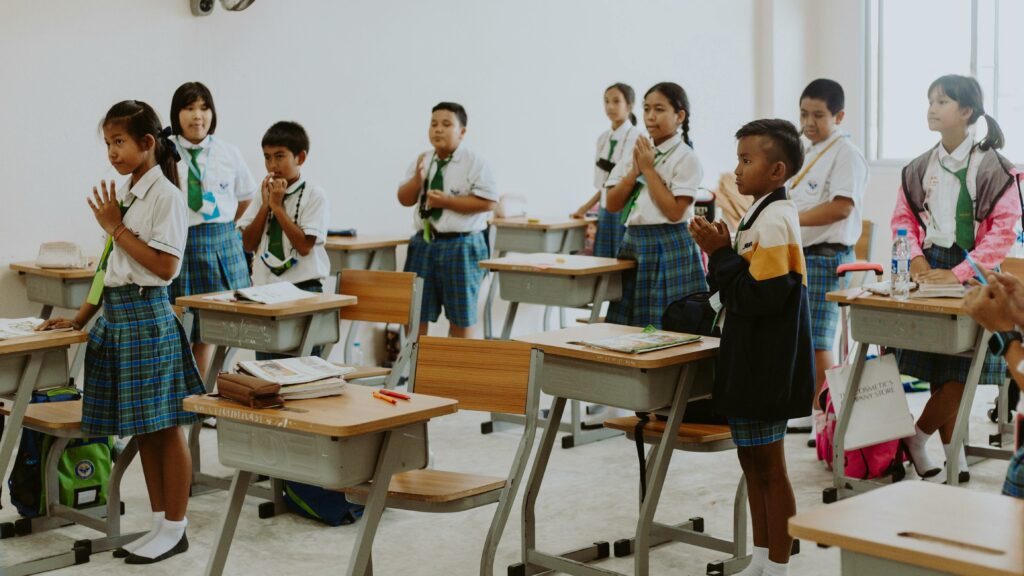
In today’s world, education focuses not only on marks but also on skills. These skills help students succeed beyond academics.
Key skills education provides:
- Communication and presentation skills
- Problem-solving and critical thinking
- Creativity and innovation
- Digital and technological awareness
- school and college student support
Skill-based education prepares students for real-world challenges and future job opportunities.
Career Guidance and Future Readiness
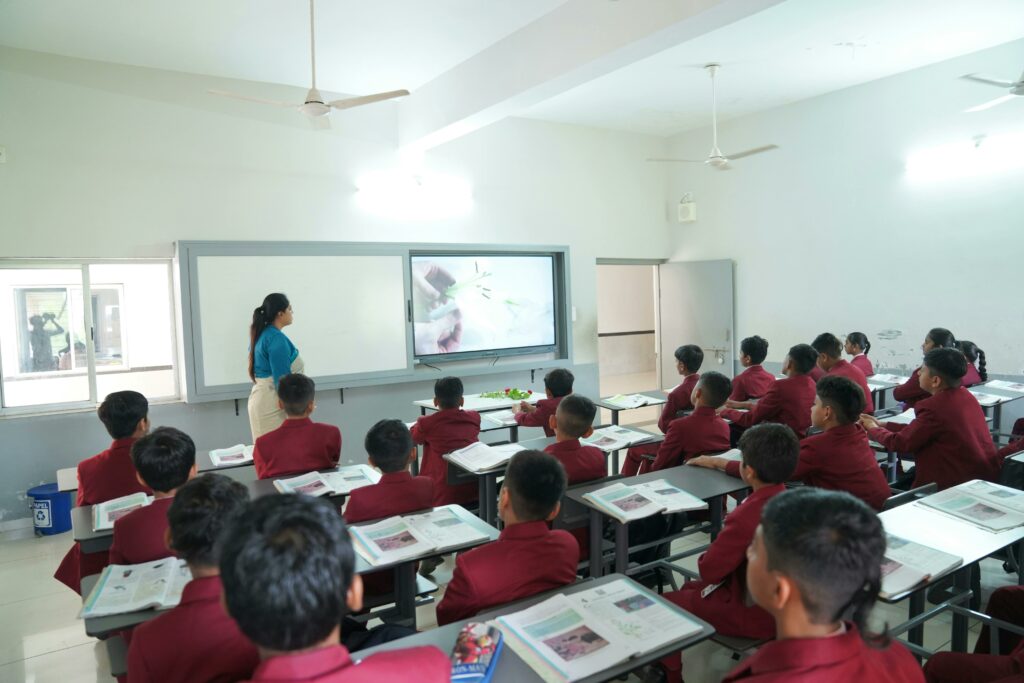
One of the most important ways education helps students is by guiding them toward a successful future. Education helps students:
- Identify career interests
- Understand different professions
- Prepare for higher education and jobs
- Develop professional ethics
- school and college student support
With proper guidance, students can make informed career choices and avoid confusion or pressure.

Support for Different Learning Needs
Every student is different. Modern education systems aim to support:
- Slow learners
- Fast learners
- Creative learners
- Practical learners
- school and college student support
Flexible education models, open education, and digital learning platforms help students learn at their own pace. This inclusive approach ensures that no student is left behind.
Role of Teachers and Learning Tools
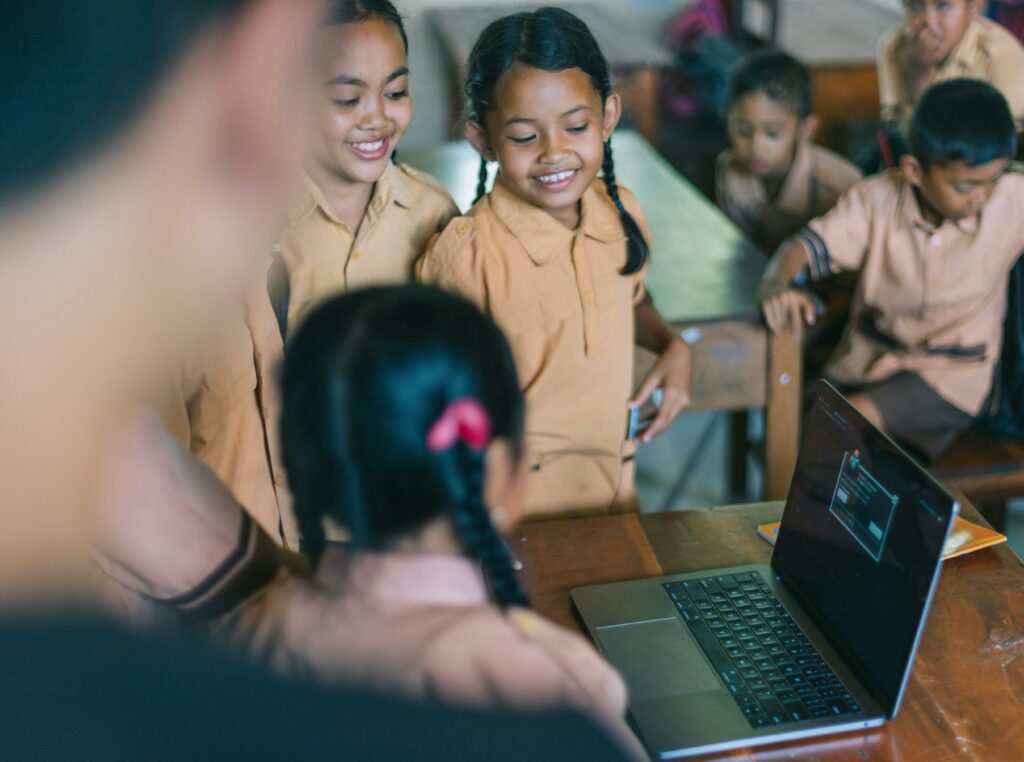
Teachers, study materials, and learning tools play a vital role in student success. Supportive teachers and proper resources help students:
- Understand difficult concepts
- Stay organized and motivated
- Build consistent study habits
Tools like notebooks, planners, school bags, and study accessories also support effective learning.
EEAT: Why Education Is a Trusted Support System for Students
✅ Experience
Generations of students have benefited from education as a tool for growth and success.
✅ Expertise
Educators and researchers design curricula to support student development holistically.
✅ Authoritativeness
Educational institutions guide students with structured learning and recognized certifications.
✅ Trustworthiness
Education systems continuously improve to meet students’ changing needs.

Conclusion
Education that relates to students’ lives is the most powerful form of learning. It helps students academically, emotionally, socially, and professionally. When education supports students at every stage ,school and college student support
it builds confident individuals ready to face real-life challenges.
Education is not just about passing exams—it is about preparing students for life.
Pingback: education apps and YouTube for students